
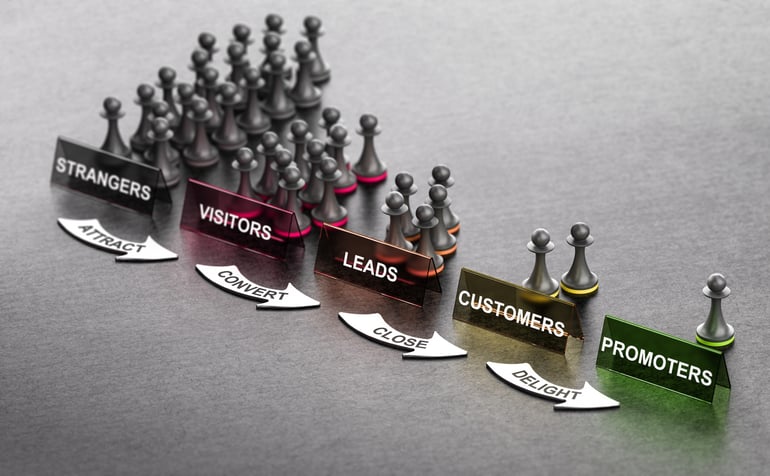
What is the inbound marketing process? You may have heard of it, but do you truly "get it"? Most people we ask don't. That's okay. It's much more straightforward than you probably think.
By understanding lead generation “the inbound way,” you’ll have a better understanding of modern digital B2B marketing tactics and how they work to accomplish a business’s ultimate goal: increasing sales and profits. A manufacturing process transforming materials into finished products is similar to the inbound marketing process. It guides prospects, turning interest into loyal customers. Let's take a look at the simple layers of the process.
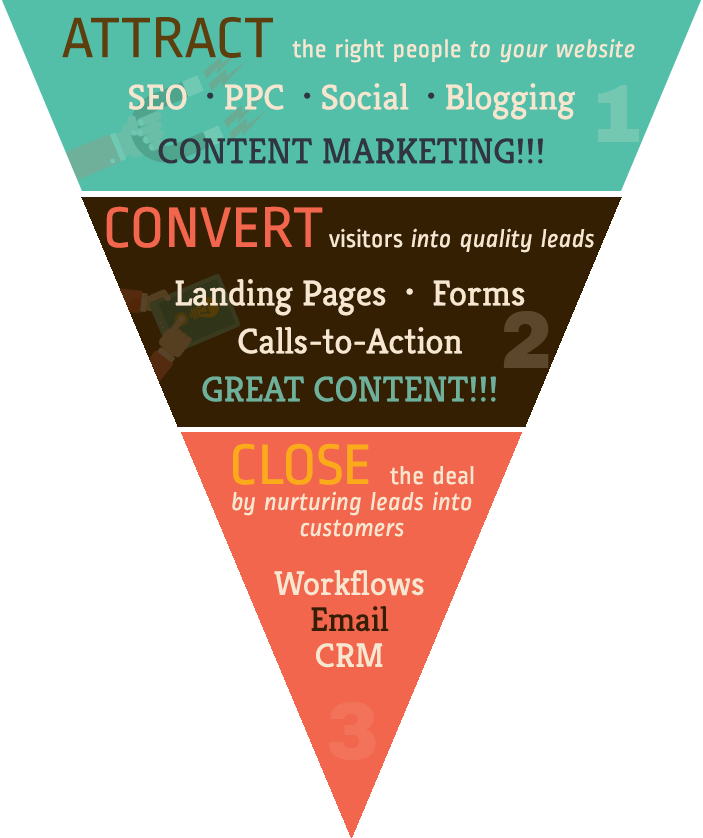
1. Attract
Marketing managers often say they need search engine optimization, more Facebook fans, more X (Twitter) followers, etc. Those are all just means of getting what they really need: more high-quality visitors to their website. The beginning stage of the inbound marketing process is all about getting the right visitors to your website.
Reaching prospects while they are looking for your solution with pay-per-click can be extremely effective while your SEO strategy is just starting. Social media is a great way to share your content marketing and amplify your message.
All of these tactics are meant to acquire highly targeted, ideal buyers for your website. Once they’re there, you'll want to convert a high percentage of these visitors to leads. That leads us to the next stage of this process: the conversion stage.
2. Convert
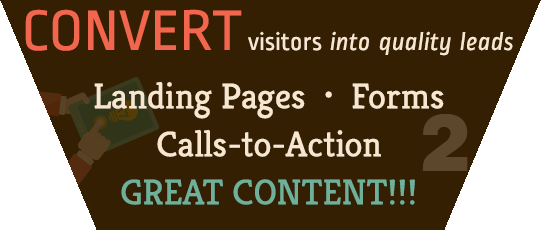
People online can be a bit like butterflies, fluttering around to whatever catches their attention. Believe it or not, this represents a tremendous opportunity for you as an inbound marketer. Your highly researched, educational content may have pulled them into your site, but the calls-to-action you place may “distract” the new visitor in a good way. Often, the CTA is a longer-form piece of content that would really benefit this visitor.
Once they click the CTA, they should be taken to a landing page, a very common practice in inbound B2B marketing. The landing page eliminates all distractions. There are no call-outs to other areas of the site, social media sharing, or navigation.
The landing page is the equivalent of trapping the visitor and the butterfly they chased into a net with no exit sign. The visitor is forced to focus on only the butterfly (or in this case, the content piece they coveted). All they have to do is provide you with their email address, and you will send it to them for FREE! Simple! You've just generated a lead.
3. Close
Now you need to keep their attention by providing more value. This helps to further qualify the lead until they are ready to be closed into a sale and a customer. This process requires excellent planning and diligent effort to outline workflows for following up with the leads generated in the middle of the process. The workflows will ensure that emails are sent to the leads at appropriate intervals, engagement and connections happen on social media, and live bodies make contact with the leads at the appropriate step of your process.
4. Delight
The delight stage is the final stage in the buyer's journey. Although at this point the purchase has already been made, it is still equally as important as all of the other stages.
Did you know that one of the best forms of advertisement is free? Positive word-of-mouth recommendations from your industrial buyer to friends and family are a huge asset.
Satisfied buyers who recommend your company are basically free advertising. This is why it's so important to make customer service and user experience a priority throughout the entire buyer's journey.
Implementing the Inbound Marketing Process
Understanding the four main stages of the inbound marketing process will lead to increased success of your digital footprint. Happy and satisfied customers will result in a successful, long-lasting business. To learn more about inbound marketing and see an example of one of our lead generation tactics, click here:

(Editor's note: This article was originally published in October 2014 and was recently updated.)
How to Audit your Online Marketing
If you are executing digital marketing, congratulations! You are most likely already one step ahead of your competition, and making strides to meaningfully connect with prospects online. But, how do you know if you’re seeing continual success year over year, and improving your metrics?
Without the tools in place to analyze and benchmark your efforts, it is impossible to scale your online marketing and ensure continuous success.