
Imagine you’re shopping for a new vacuum cleaner. With dozens of models that all promise powerful suction, pet hair removal, and long-lasting performance, it’s difficult to know which one is actually worth the investment.
Before making a decision, you probably look beyond the product description. You read customer reviews, watch demos, or see what people on social media have to say. And if an influencer recommends a product, you’re more likely to trust the recommendation if it feels genuine rather than like a scripted, paid promotion.
The same applies in the B2B space. Buyers want reassurance that they’re making the right decision. They look for evidence that a company delivers on its promises. Thought leadership, LinkedIn posts, customer success stories, testimonials, industry recognition, and real-world expertise all help establish credibility and build confidence before a prospect ever reaches out.
While social media influencers have made the idea of “social proof” more visible in recent years, the concept itself isn’t new.
Social proof refers to the theory that people typically adopt the opinions or actions of people they trust.
Businesses have long relied on customer experiences, recommendations, and demonstrated expertise to earn trust. Today’s digital platforms have simply given companies more ways to showcase that proof and help buyers make informed decisions.
So, why does social proof matter for B2Bs? Explore below how it can help your business build trust and influence buying decisions.
 What Is Social Proof?
When someone is unsure about a choice, people look to the actions and opinions of those they trust to essentially decide for them. This is social proof. It’s anytime a business uses a third-party influence to sway potential customers.
The five most common types of social proof in the B2B industry include:
- Case studies
- Customer testimonials
- Thought leadership
- Client logos
- Reviews and ratings
5 Types of Social Proof
1. Case Studies
These in-depth stories present the challenge, solution, and measurable outcome to the reader. These are one of the strongest forms of B2B social proof because they provide evidence from real projects and products. By showing how your business helped a customer achieve a goal, you allow potential new customers to envision themselves succeeding in a similar scenario.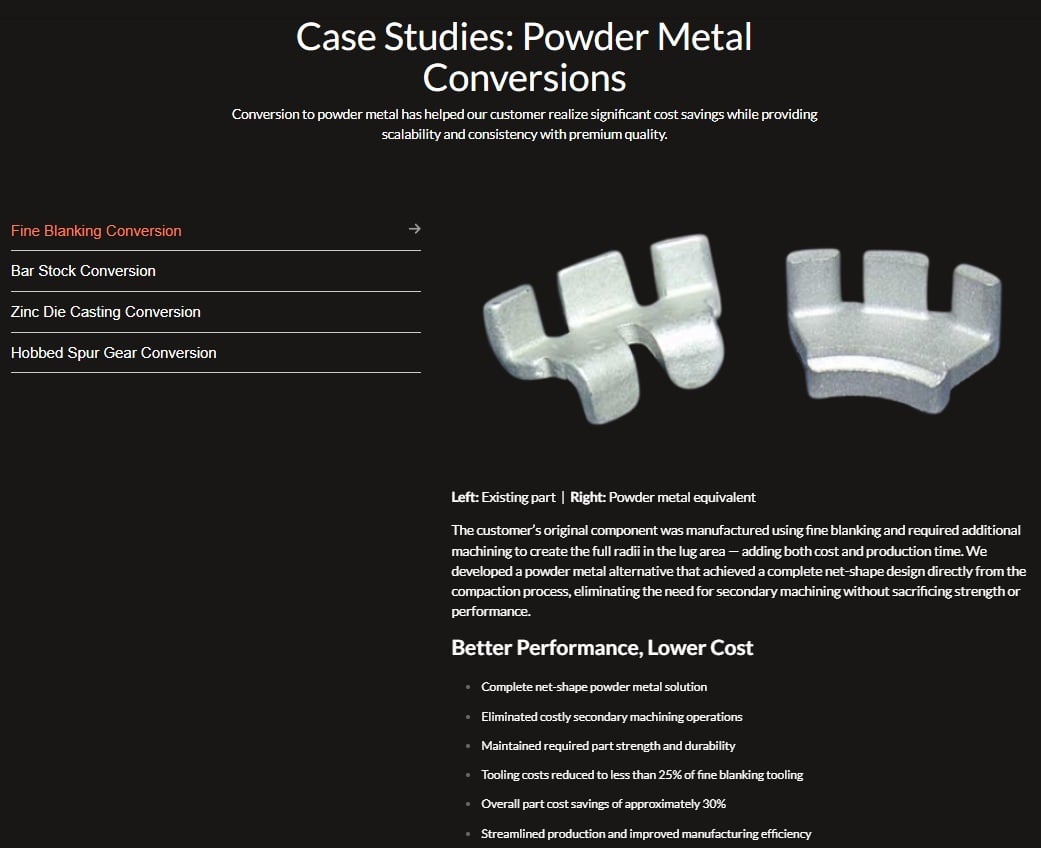
2. Customer Testimonials
Potential customers like to hear from existing customers. These testimonials can be as simple as quotes from satisfied customers about their experience or product. It’s best when they mention measurable results or a specific problem solved.
Feature the testimonials on your website, landing pages, emails, or social media. Push for permission to use the customer’s real name, unless an NDA forbids it. Anyone can claim Mike D. from the medical industry loved his customer experience, but putting a real face and name proves it.

3. Thought Leadership
Thought leadership, or expert social proof, is when an industry thought leader or influencer approves of your product in the digital space -- through blogging, gushing on social media, or providing a testimonial. This demonstrates expertise before you even have a sales conversation. 
4. Client Logos
Displaying recognizable customer logos on your website or marketing materials provides instant credibility for your brand. Prospects quickly see that reputable companies trust you, adding value to your product.
5. Reviews and Ratings
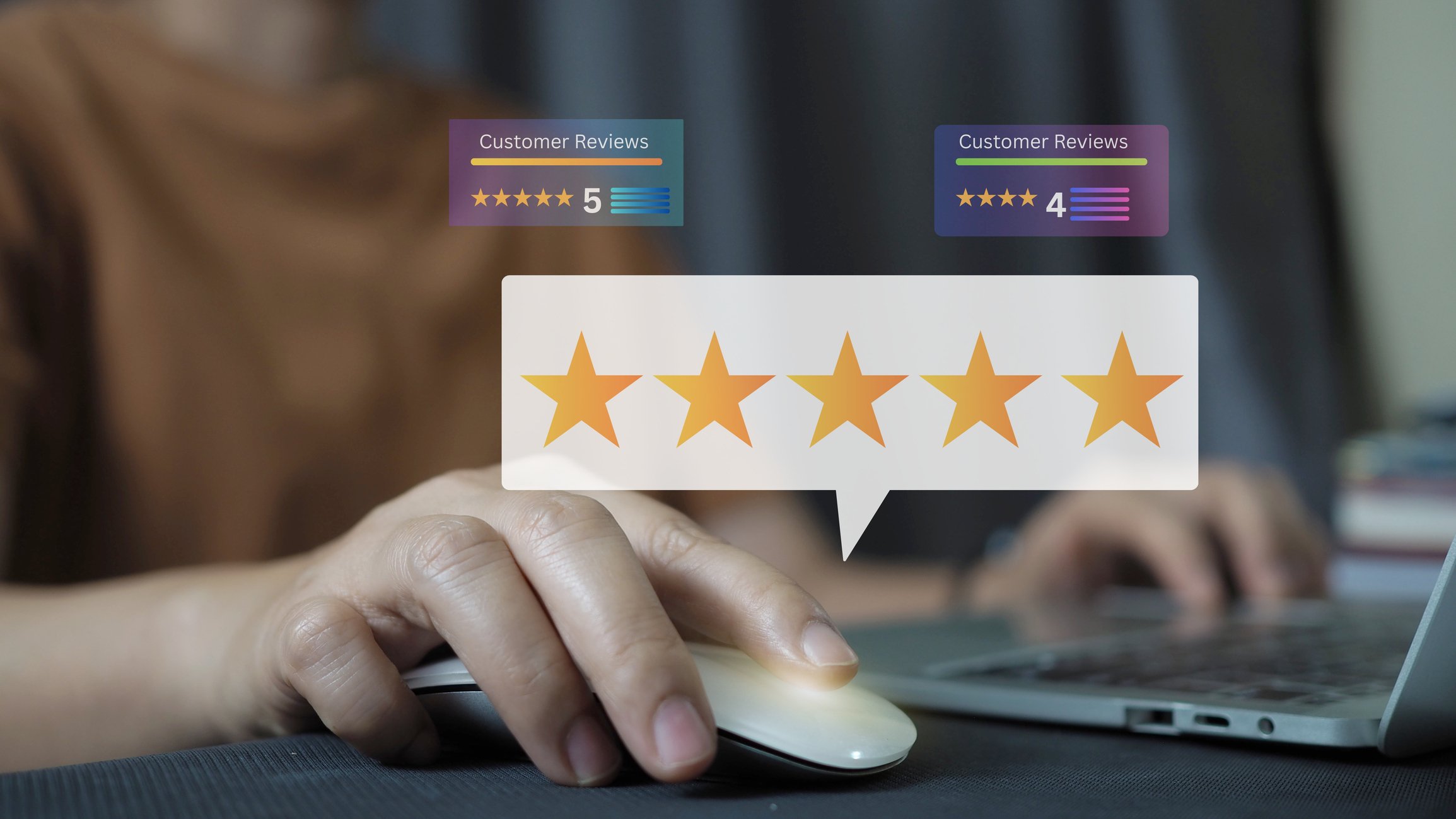
This consists of feedback from real customers providing firsthand experiences of the product or service. Reviews, good or bad, will influence a purchase decision. They play a significant role in shaping buyer perceptions and can heavily influence final choices.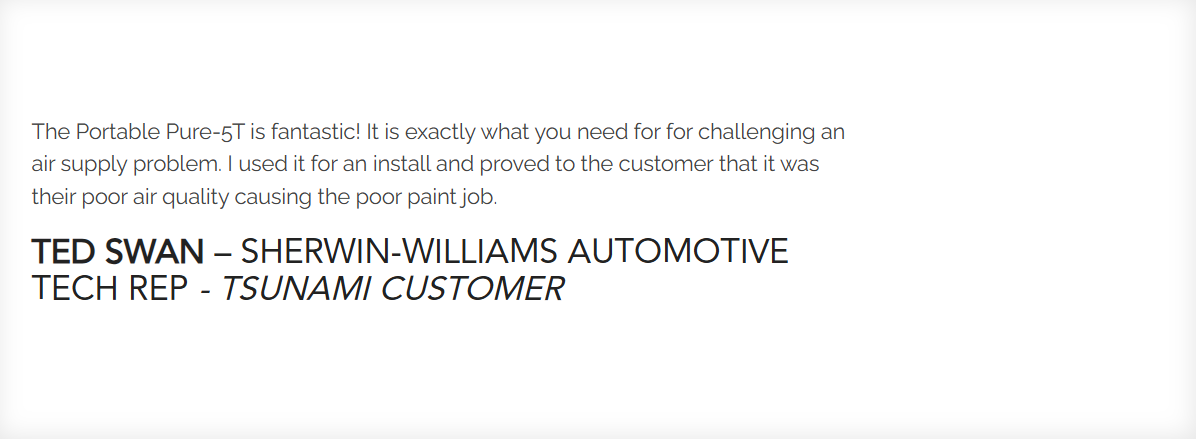
High-Performing Social Proof Types
Social proof can have a huge impact on how buyers perceive your business and products, but which ones are most effective?
As always, this depends on the type of product or service you’re marketing. CXL researched which types of social proof work best. Here are some key takeaways:
- Testimonials are more effective when they include a picture of the person quoted. Using an image of the person along with their name, title, and company can humanize your marketing and legitimize the customer’s statements
- Testimonials can be a valuable form of social proof, but their effectiveness depends on their quality. Strong, specific testimonials that highlight measurable results can build credibility, while more generic testimonials may have less impact
- It's best practice to use social proof as supporting copy near a CTA or at a point of friction (especially to counter objections)
- Trust in online advertising has dramatically increased over the past few years. As much as 84% of respondents trust advertising on branded websites
It’s not a question of whether or not you should use social proof in your marketing strategy – it’s where and how you should use it. Different types of social proof serve different purposes, and the most effective strategy is to match the right proof to the right audience and stage of the buyer’s journey.
Test your landing pages with different types, placements, and content of social proof to figure out what works best.
Use All Types of Social Proof in Your Inbound Marketing Strategy
Using social proof demonstrates credibility to your prospective customers, especially in the B2B space, where purchases are typically more expensive, involve multiple stakeholders, and require long-term partnerships. Buyers look for evidence that other businesses have already trusted and succeeded with your company.
Manufacturing and industrial buyers often place the greatest value on case studies and real customer success stories. They also look for insights from industry experts and validation from reputable third-party sources, such as recognized companies, industry organizations, and trusted partners, to help guide their purchasing decisions.
Use your happy customers to move your prospects and leads further down the buyer's journey!
As you can tell, you can use social proof in a wide variety of different marketing assets in myriad ways to gain leads. So... how should you use it?
Download our free lead generation guide to learn more:

How to Audit your Online Marketing
If you are executing digital marketing, congratulations! You are most likely already one step ahead of your competition, and making strides to meaningfully connect with prospects online. But, how do you know if you’re seeing continual success year over year, and improving your metrics?
Without the tools in place to analyze and benchmark your efforts, it is impossible to scale your online marketing and ensure continuous success.